
We All Belong—A Humanistic and Trauma-Informed Approach
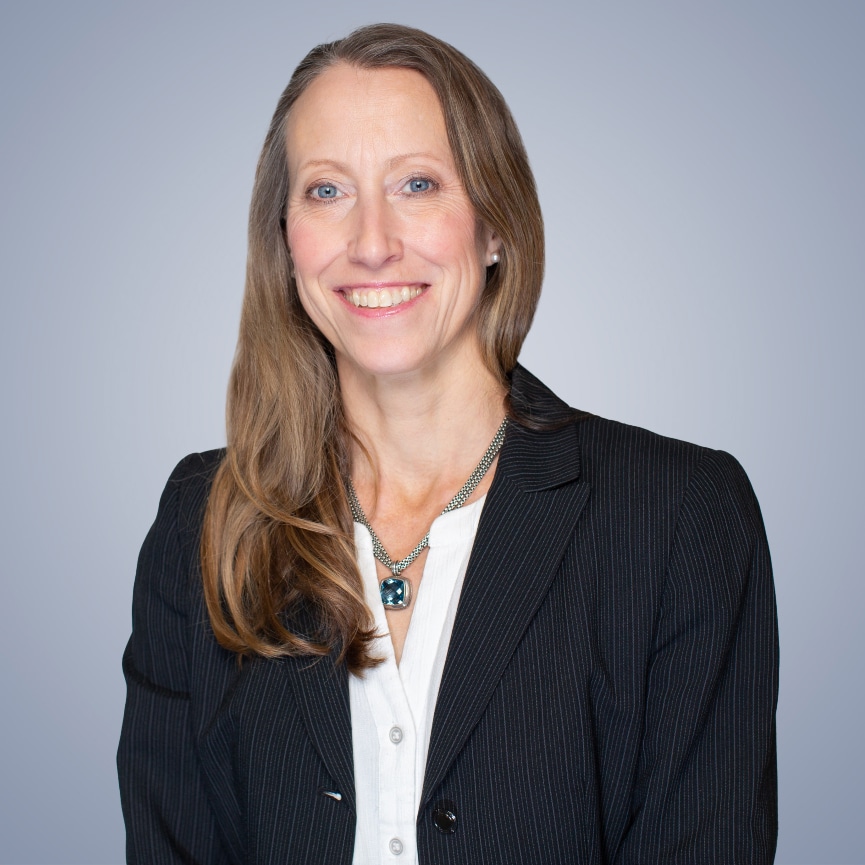
By: Dr. Kimberly Dennis, Chief Medical Officer, CEO and Co-founder of SunCloud Health
April 11th of this year I celebrated 23 years of recovery from bulimia and food addiction. Miraculously. When I look back at my life a quarter of a century ago, I wasn’t expecting much out of life and in fact wasn’t expecting to make it out of my 20’s alive. Today, all these years later, I look with childlike awe at the life that has sprouted up within me and all around me.
I have recovered from bulimia, from alcohol use disorder, from childhood trauma and food addiction. Every day, I learn more and grow more—from patients, from colleagues, from others in recovery, from my family. I made it out of my 20’s, finished medical school, did a year of research, completed residency training and dedicated my career to helping people with complex multi-occurring disorders get help in integrated, nuanced, individualized and trauma informed ways. I got married to a person who loves me deeply and hopelessly. I have 3 incredible children who I love more than the world. I have a close family in recovery who I have lived life with and grown up with these last 25 years. I started a treatment center with my husband 8 years ago called SunCloud Health, which now has 6 sites and levels of care from outpatient all the way up to residential care.
I often stop and think to myself, how did this all happen?
Slowly, circuitously, with a lot of good help, unconditional love, some effort on my part and a good deal of mystery. It started with safety, and specifically safety in the context of a relationship with a therapist competent to actually help me. Someone who saw me. It took a lot of work to find that person. Multiple attempts to seek help were met with dead ends, which added to my sense that I was resigned to die from what I know well to be a deadly combination of bulimia with co-occurring food addiction, alcohol use, malnourishment and childhood trauma.
On New Years Day of 2000, my mother and twin intervened after an alcohol fueled argument in the wee hours of the morning. None of them knew about my eating disorder. The shame around binging and purging, how frequently it occurred and how out of control I was every day, all the money in student loans and work study I was spending on it, not being able to stop even though I desperately wanted to–all of that conspired to keep me silent. My eating disorder was a secret, or so I thought.
The therapist who saved my life was a trauma therapist who also had his CADC. After many months of seeing him 2-3 times a week, I finally shared about my relationship with food and alcohol. He swiftly recommended an eating disorder and food addiction experienced dietician, a medical doctor, psychiatrist and mutual support groups. At certain points, he recommended higher levels of care. As a medical student and a person who just plain had an overwhelming time at first taking in the support of therapy multiple times a week, I declined most of those recommendations.
After another year of trying out some of those recommendations, I found a couple support groups that resonated with me, my values, and the kind of life I wanted to live. I found a Registered Dietitian (RD) who understood trauma, malnourishment, bulimia and food addiction. I saw her weekly and we collaboratively worked out a meal plan that worked for me, that helped me to stop binge eating and purging, and helped me to re-nourish my body. All foods did not fit my body, and she respected that.
After my first 4 or 5 years of recovery, I didn’t think about food anymore. I eat when I’m hungry, stop when I’m full; I eat foods that I enjoy; I intuitively know what works for me; I know what does not work for my biology; and I have the power to do what works and avoid what does not in my life today, including with my food choices.
I have been restored to a place of having the power and the privilege of choice. I don’t take that lightly, ever. I like my body, appreciate its beauty, its strength, and all it has carried me through. I welcome its changes with age without feeling compelled to alter that process in any way.
As a psychiatrist who is a member of the eating disorder professional community and who speaks up regularly about the importance of including people with eating disorders who have co-morbid food addiction in our research, treatment and advocacy efforts, I no longer take it personally when other professionals judge me, pathologize me, silence me, criticize me or exclude me because their read of the research literature, their clinical practice and/or their lived experience with food recovery is different than mine. I will always continue to advocate for individualized, non-paternalistic, racially inclusive care, and size inclusive eating disorder care. Expansive thinkers are often misunderstood.
As a clinician, I believe that everybody has their own unique fingerprint in eating disorder recovery.
What patients often don’t hear from clinicians is the very real truth that our solutions and treatments are imperfect, that there’s infinitely more that we don’t know about eating disorders and all that comes with them than what we do know. As clinicians we frequently fall into the belief that we as experts know our patients’ truths…without listening to them as human beings, as more than just “that must be your eating disorder talking.”
We come to our work often from a dogmatic lens, a lens based on research and experience with largely white, largely female and largely restrictive eating types of eating disorders that simply does not work so well for folks with predominantly out of control eating with x, y, and z medical and psychiatric co-morbidity. All foods fit is a great nutritional philosophy for many folks, but certainly not all of them all of the time. But for the grace of God, I was led to a treatment team that valued my voice in the process, valued my lived experience in my body with the type of eating disorder, nutritional needs, trauma recovery and addiction recovery needs I had. They saw with me what did not work, and supported me in trying something different until we discovered together what worked for me.
We have much work to do as a field to incorporate diverse voices, to include research that substantiates the lived experience of those folks with eating disorder plus food addiction, to include professional practices that can take both/and instead of either/or approaches to treatment.
When I think about the field today and what so many patients experience, I wish for anyone seeking help to know that treatment doesn’t work without safety. Trauma-informed and humanistic approaches to recovery not only are evidence-based but also have resonated with both my personal recovery journey and my work as a clinician. The principles of trauma-informed care include attunement to the needs surrounding a person’s cultural, gender, and body identity; collaboration; lack of coercion; refraining from implicitly or explicitly shaming a patient (ex., “you’re being resistant, you failed treatment” versus “our current approach is failing you”); empowerment, voice and choice.
Don’t stop until you find your people…they come in all sorts of unexpected places.
23 years into continuous recovery, I have my people. One of the biggest gifts of spiritual recovery is knowing who I am, and freely, unapologetically showing up as me wherever I may be.
I hope to love as many people as I can in this lifetime, and I hope to leave this world and our field someday knowing it’s a better place because I not only stayed alive but lived to give a lot of my life in the service of helping others—imperfectly, humbly and with a great deal of joy.
You Might Also Be Interested In
Eating Disorders & Trauma: Understanding the Connection
Eating Disorders & Trauma: Understanding the Connection By: Grace Kim BSN, RN, PMH-BC Individuals living with an eating disorder and their loved ones may often wonder,…
Learn More →Treating Eating Disorders Through a Trauma-Informed Lens
By: Natalie Fruchter, Ph.D. Treating Eating Disorders Through a Trauma-Informed Lens By: Natalie Fruchter, Ph.D. Natalie Fruchter is a Clinical Psychology Postdoctoral Fellow in NYC. She…
Learn More →PTSD and Eating Disorders
PTSD & Eating Disorders By: Dr. Maria Rago, ANAD President & Clinical Director, Rago & Associates Studies demonstrate that 25% or more of people with eating…
Learn More →