
Allison: My personal experience with Relative Energy Deficiency in Sport (REDs).
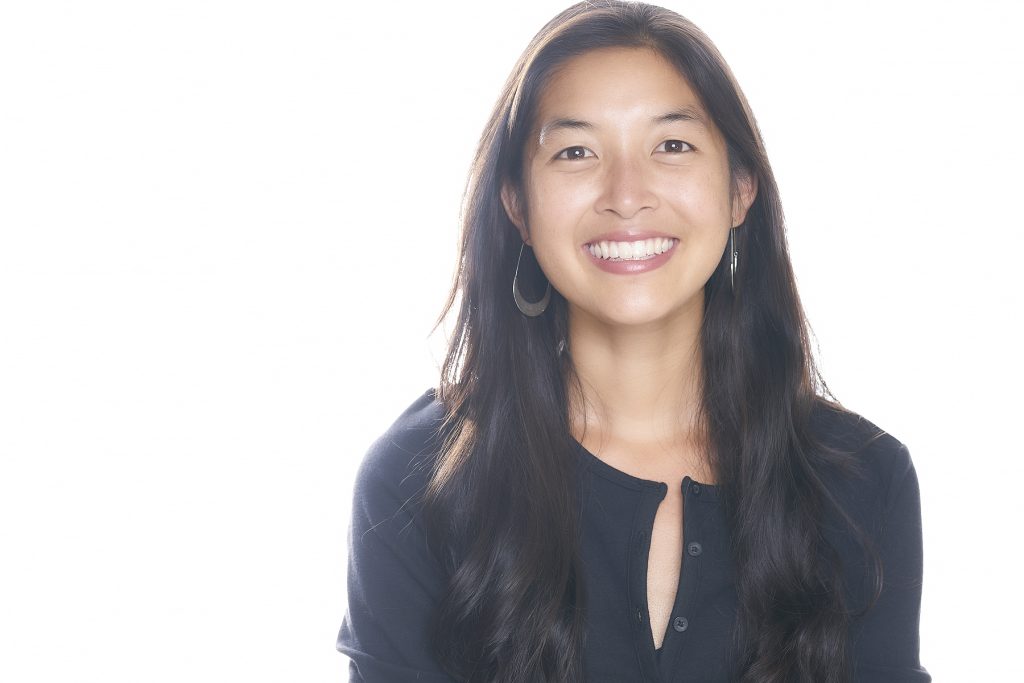
Hi, I’m Allison. I was an NCAA cheerleader in college and went on to run half and full marathons, including a couple of the majors.
As an active woman, I’ve always prioritized being healthy, but the years I was most invested in optimizing my health were actually harming my fitness and doing more harm than good.
When healthy becomes unhealthy
In my quest to be healthy, I focused on eating really clean and following my workout schedule to a T as a way to be disciplined. At first, I saw good results: my race times dropped, my clothes fit differently, and people complimented my “health”.
But behind the scenes, I felt exhausted throughout the day after a harder workout. I thought about food constantly. Even when I felt tired or achy, I would “push through.” I found rest days made me feel restless or guilty. But the biggest red flag for me was that I had lost my period.
I was struggling with REDs (Relative Energy Deficiency in Sport), a condition that affects up to 60% of active individuals – not just elite athletes. If left untreated, it can lead to increased injury risk, lower mood, performance declines, and more, often without you realizing it’s happening.
Finding support that worked
Despite how common REDs is, it’s still rarely recognized or talked about. I went to (many) doctors who told me my missing period was just a byproduct of running or suggested I “just go on the pill”. I felt isolated and started to question if I was actually as healthy as I thought. But I was also in denial because I felt ashamed that I couldn’t just loosen up on some of the rigidity in my routine.
For me, it wasn’t just about food. It was how I used exercise as a coping mechanism – to the point where I felt reliant on it. It gave me a sense of achievement, but I secretly wished I could take days off, especially when my body felt exhausted or burnt out. I didn’t want to find out what would happen if I got off the (literal and figurative) treadmill.
Ultimately, recovering
The risks of REDs became harder to ignore, so I decided to prioritize recovery. I turned to what the evidence actually shows. I had to unlearn so many of the “clean” habits I had grasped onto – in order to restore energy availability, break patterns of overtraining, and build new habits that eventually made me even stronger in my fitness.
The day-to-day was tough – we don’t wake up one day and easily take a rest day and fuel differently when our existing routine feels safe. Not to mention, support resources were hard to find and clunky. But it led me down a path where I was able to find my way back to sport but with an approach that incorporated so much more freedom and balance. I got my period back, I started feeling like myself again, and I learned what healthy really feels like.
My experience inspired me to create the recovery program that has since helped active individuals in the way that I dreamed I’d had.
If I can do it, so can you – I’d love to hear from you and learn your story. Connect with me or reach out anytime.
You Might Also Be Interested In
REDs
Understanding REDs Recognizing the signs, finding support, and seeking treatmentThis page was created in collaboration with our friends at AthleatMD. What Is REDs? Relative Energy Deficiency…
Learn More →The Hidden Struggle: The Intersection of Athletic Performance and ARFID
ARFID does not sit politely beside the demands of sport. The two compound. The cycle, once it begins, runs in silence for a long time, and by the time it surfaces it has often already cost the athlete something they cannot easily get back.
Learn More →Athletes and Eating Disorders: A Time of High Pressure and Performance
With the Summer Olympics coming up, let's talk about why eating disorders are so prevalent in athletes and what we can do about it.
Learn More →